
How Telematics and Technology Are Reshaping Commercial Auto Insurance
Technology is no longer optional in the commercial auto insurance market. In 2026, carriers increasingly expect fleets to use telematics, dash cameras, and real-time vehicle data as part of a modern risk management strategy. What was once viewed as an added benefit is now becoming a core underwriting expectation.
Telematics systems allow insurers to evaluate driver behavior, speed, braking, cornering, idle time, and overall fleet performance. This data provides a clearer picture of risk than traditional loss history alone. Fleets that can demonstrate safe driving trends, proactive coaching, and accountability are often rewarded with better pricing, broader carrier options, and more stable renewals.
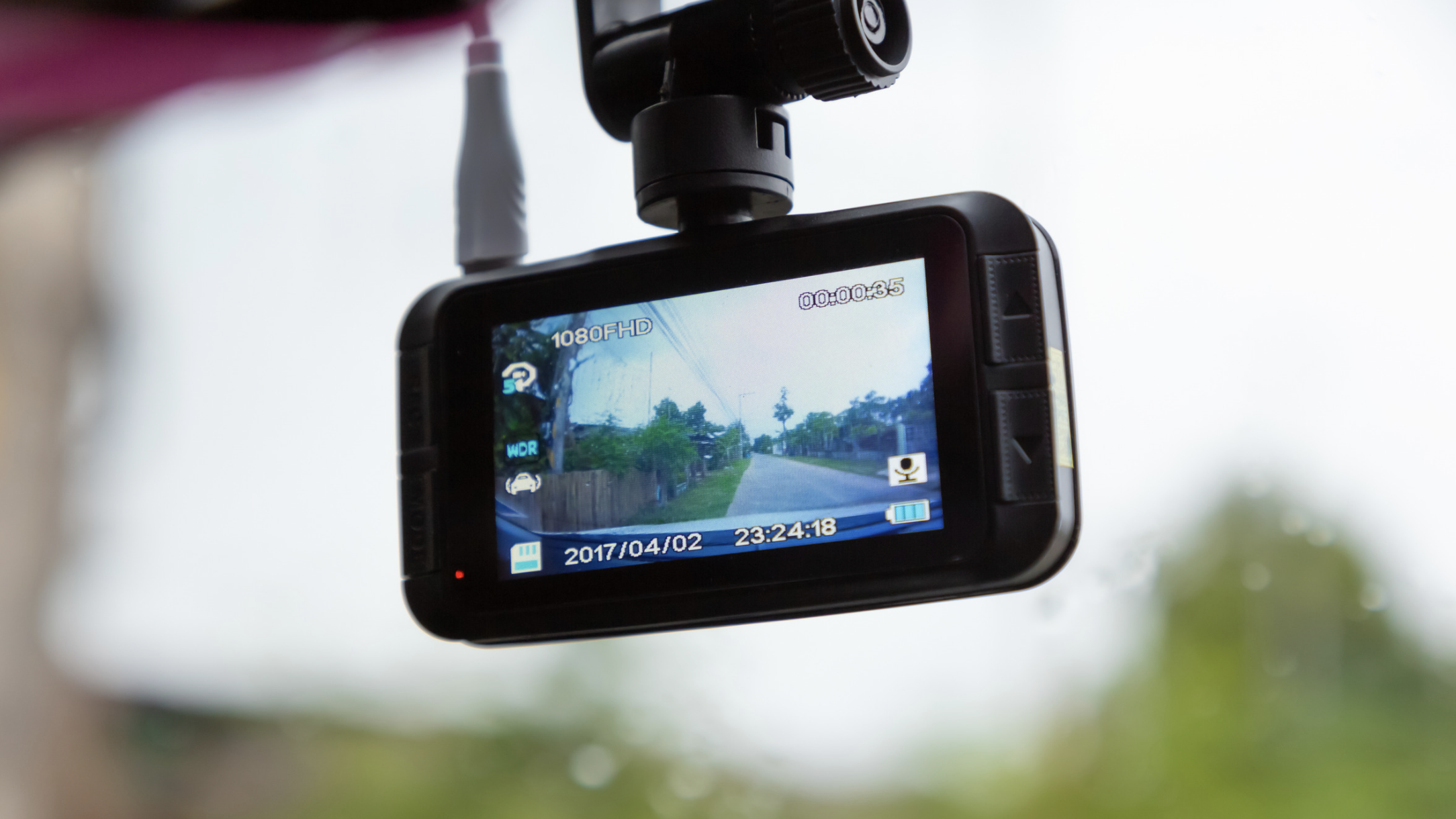
From the carrier’s perspective, telematics helps reduce both frequency and severity of claims. Early intervention, driver scoring, and behavior monitoring allow businesses to correct risky habits before accidents occur. As a result, insurers are increasingly aligning their pricing models and underwriting appetite with fleets that embrace these technologies.
Artificial intelligence and connected vehicle platforms are also changing how claims are handled. Automated first notice of loss, faster damage assessments, and improved fraud detection are helping carriers control costs and shorten claim cycle times. In the trucking sector, connected insurance programs that integrate directly with vehicle manufacturers and onboard systems are becoming more common.
For business owners, the message is clear: data is now a strategic asset. Fleets that invest in safety technology, document training programs, and actively manage driver performance are in a stronger position during renewal negotiations. Those who resist modernization may face higher premiums, reduced coverage options, or limited carrier interest.
Beyond technology, insurers are also placing greater emphasis on documentation. Driver qualification files, maintenance records, accident response protocols, and formal safety programs are no longer “nice to have.” They are critical components of underwriting review and risk scoring.
The commercial auto market will remain challenging, but businesses are not powerless. Proactive risk management, supported by telematics and strong operational controls, can significantly improve insurance outcomes. Partnering with an agency that understands how to position your operation to underwriters, leverage data, and navigate a complex marketplace is one of the most effective ways to protect your company’s bottom line and long-term insurability.

Blog Post Written by:
Corey Foster
2368 Main St. Tucker, GA 30084